

Investing in Occupied Properties: Guide
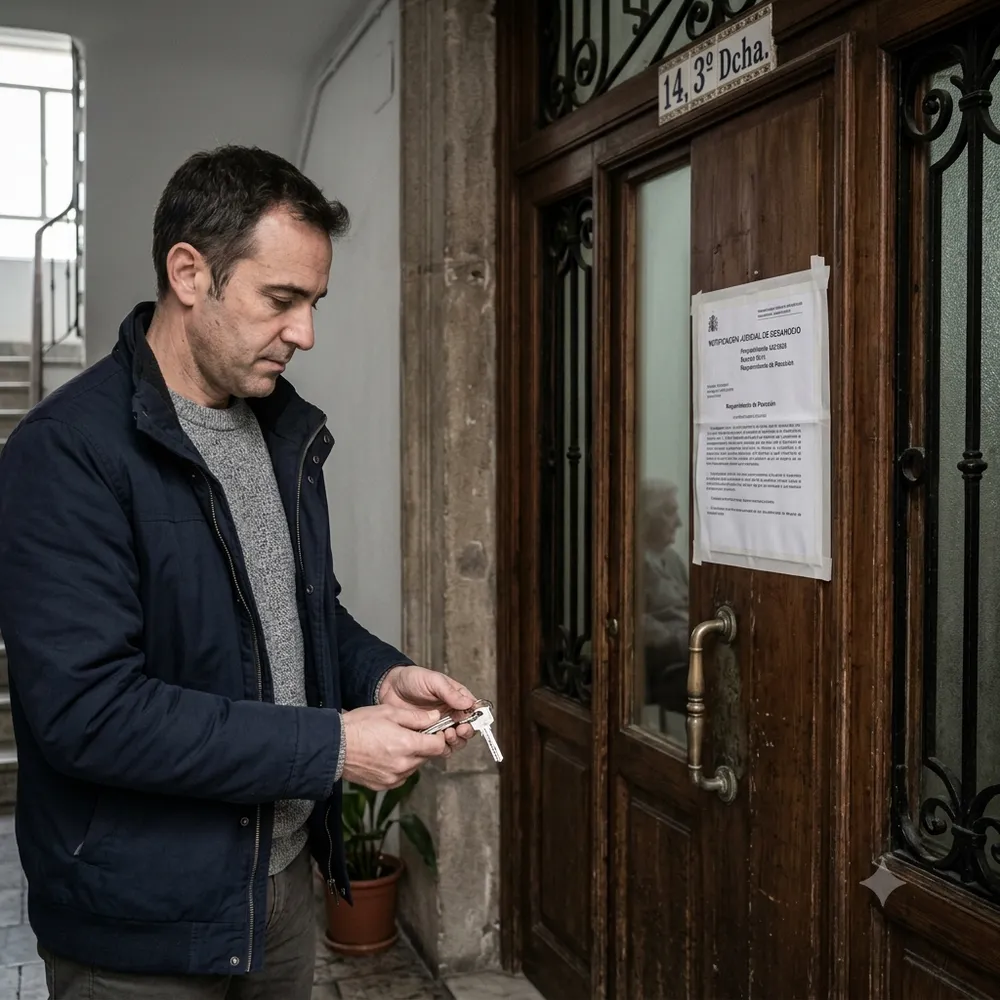
In recent years, the sale of residential properties occupied without a legal title—whether former tenants with expired contracts or occupants without prior contractual relationships—has consolidated as a specific niche within the real estate market. Free from sensationalism, this type of transaction strictly responds to a financial and risk-management logic.
For current owners—typically financial institutions, investment funds, or private sellers wishing to avoid court proceedings—a direct sale provides immediate liquidity. For buyers, the main incentive lies in securing a substantial discount relative to market value in exchange for assuming full responsibility for the legal management and costs involved in recovering possession.
1. The Economic Model: Discount vs. Management Costs
Purchasing an occupied property requires evaluating the deal as an investment where the initial price reduction must comfortably cover legal expenses, potential property damage, and the opportunity cost associated with wait times.
- Typical Discount: Occupied properties are usually listed between 30% and 50% below market value (reaching up to a 60% reduction in specific cases).
- Financing: These transactions generally require cash equity, as banking institutions rarely grant mortgages on properties where interior appraisal cannot be physically certified nor the condition verified.
2. Resolution Routes: Judicial and Extrajudicial
Once the property is acquired, recovering possession is typically handled through two main channels:
- Judicial Route (Civil Eviction Proceedings): Involves filing a civil lawsuit (usually for summary protection of possession or eviction for squatted/unpaid premises). This route legally requires a practicing attorney and court agent (procurador).
- Extrajudicial Route (Direct Negotiation): Many buyers choose to offer financial compensation or cover relocation costs for the occupant. While it involves a direct out-of-pocket payment, it drastically shortens timelines and avoids lengthy litigation.
3. Estimated Timelines for Property Recovery
The time elapsed between signing the purchase deed and taking physical possession varies significantly based on the chosen path and the workload of the local court:
| Route | Estimated Duration | Key Factors |
|---|---|---|
| Extrajudicial negotiation | 1 – 3 months | Willingness of the parties to negotiate, agreed compensation amount |
| Standard judicial route | 9 – 18 months | Current backlog of the local court of first instance |
| Judicial route with complexities | 12 – 24 months | Social vulnerability assessments, appeals, precautionary stays |
4. Breakdown of Approximate Costs
To calculate net investment returns, buyers should budget for the following estimated expenses:
| Item | Estimated Amount |
|---|---|
| Legal fees (attorney and court agent) | €1,500 – €3,500 (depending on case complexity and local jurisdiction) |
| Supplementary court costs and locksmith | €300 – €800 (notary power of attorney, locksmith on eviction day, potential storage of left-behind belongings) |
| Out-of-court settlement compensation (optional) | €2,000 – €5,000 |
| Fixed maintenance costs during wait time | Property taxes (IBI), community fees, accumulated assessments |
| Post-eviction refurbishment | €2,000 – €12,000 (highly variable) |
Key Considerations Before Purchase
- Legal Status Audit: Verify if prior legal proceedings were initiated by the seller or if action must start from scratch.
- Encumbrance Check: Ensure the property does not carry unpaid community debts or non-expired local tax liabilities.
- Vulnerability Assessment: Determine whether occupants hold certified social vulnerability status, which may legally suspend judicial eviction dates temporarily.